We’re There
ANGLICARE SA
Championing the human support behind greater independence
AnglicareSA’s Supported Independent Living service helps people with disability live with greater independence, connection and active support.
While vacancies were available, there was an opportunity to help more people understand what Supported Independent Living can truly mean for customers, families, support workers and coordinators.
This was not simply about promoting available supported living. It was about showing what daily life can look like when the right support is in place. For families, the campaign needed to build trust and communicate something deeply important: their loved one can be known, supported and included, even when they cannot be there themselves.
While vacancies were available, there was an opportunity to help more people understand what Supported Independent Living can truly mean for customers, families, support workers and coordinators.
This was not simply about promoting available supported living. It was about showing what daily life can look like when the right support is in place. For families, the campaign needed to build trust and communicate something deeply important: their loved one can be known, supported and included, even when they cannot be there themselves.

A research-first approach
Before developing the creative, we spoke with AnglicareSA staff, support workers, customers and families to better understand the role Supported Independent Living plays in people’s lives.
The insight was simple and deeply human: families often want to be there for their loved ones at all times, but they cannot always be. AnglicareSA can. From this insight, we developed the campaign platform We’re There.
The idea gave AnglicareSA a clear and memorable way to communicate the everyday care, presence and support behind Supported Independent Living.
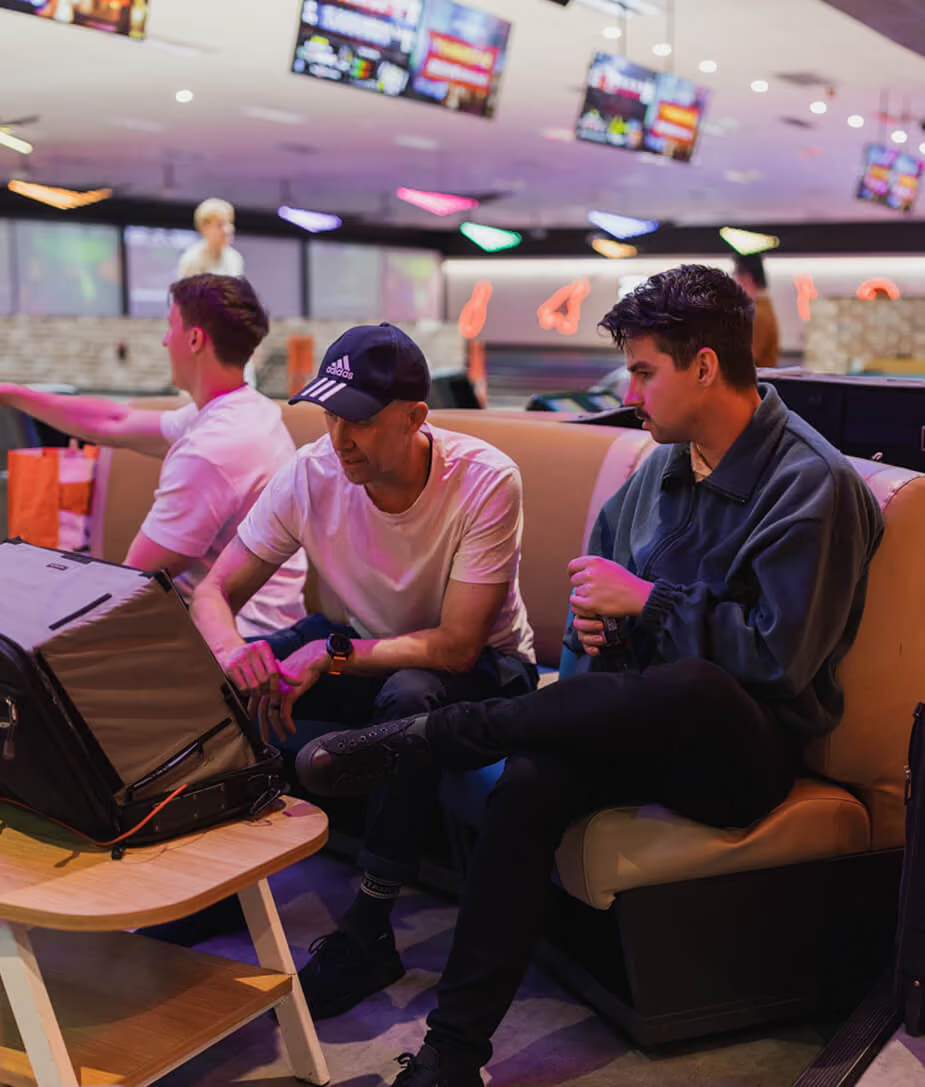
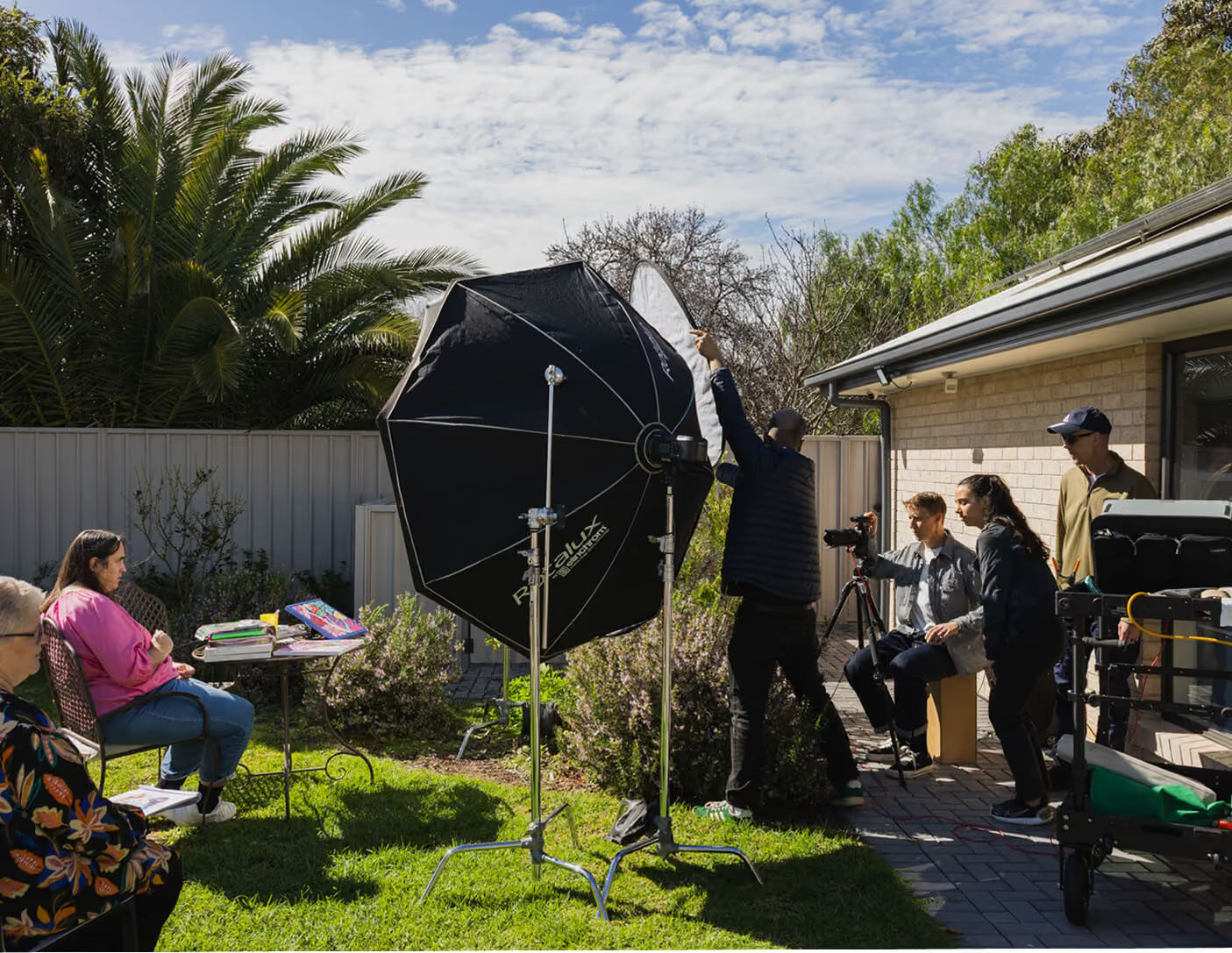
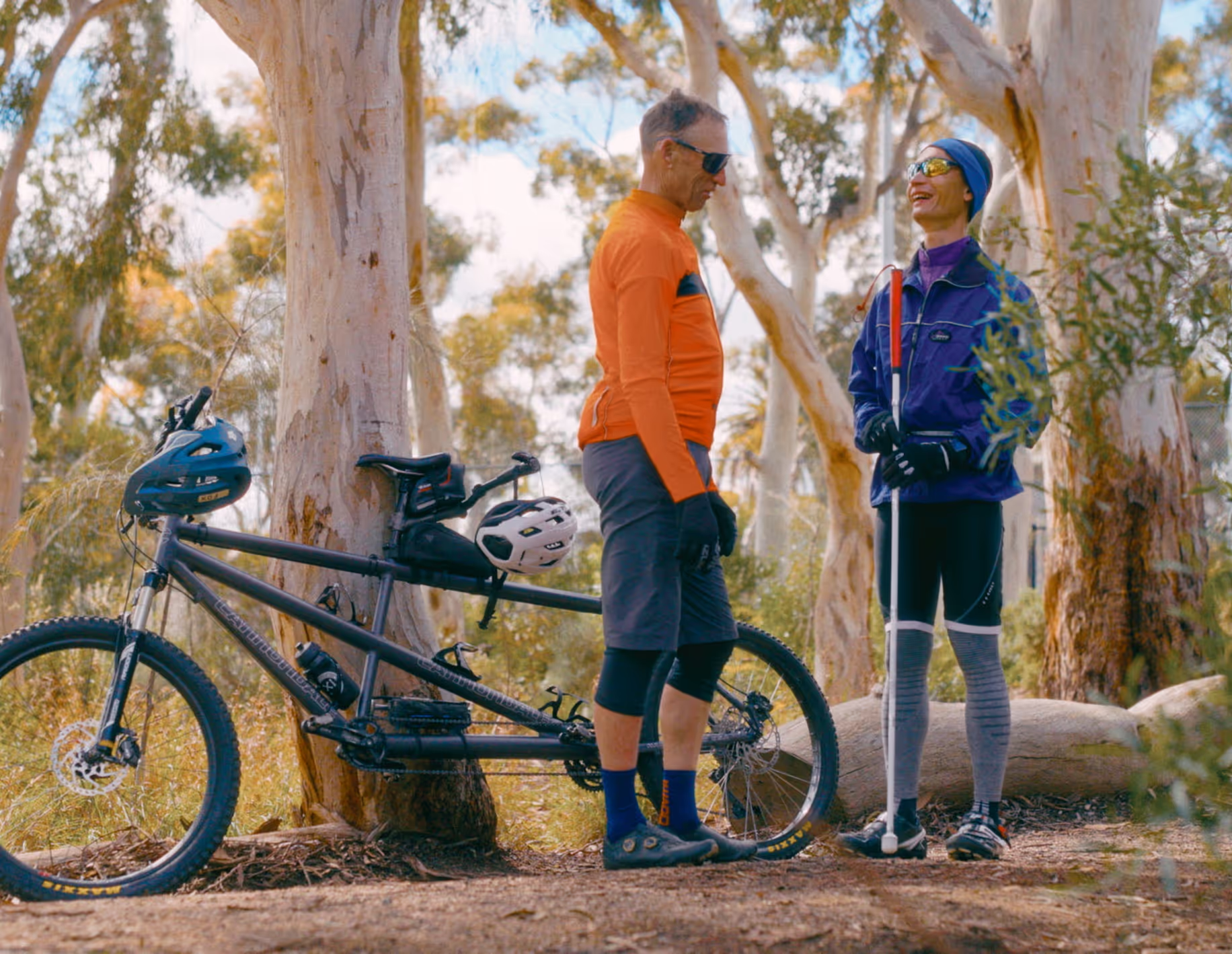
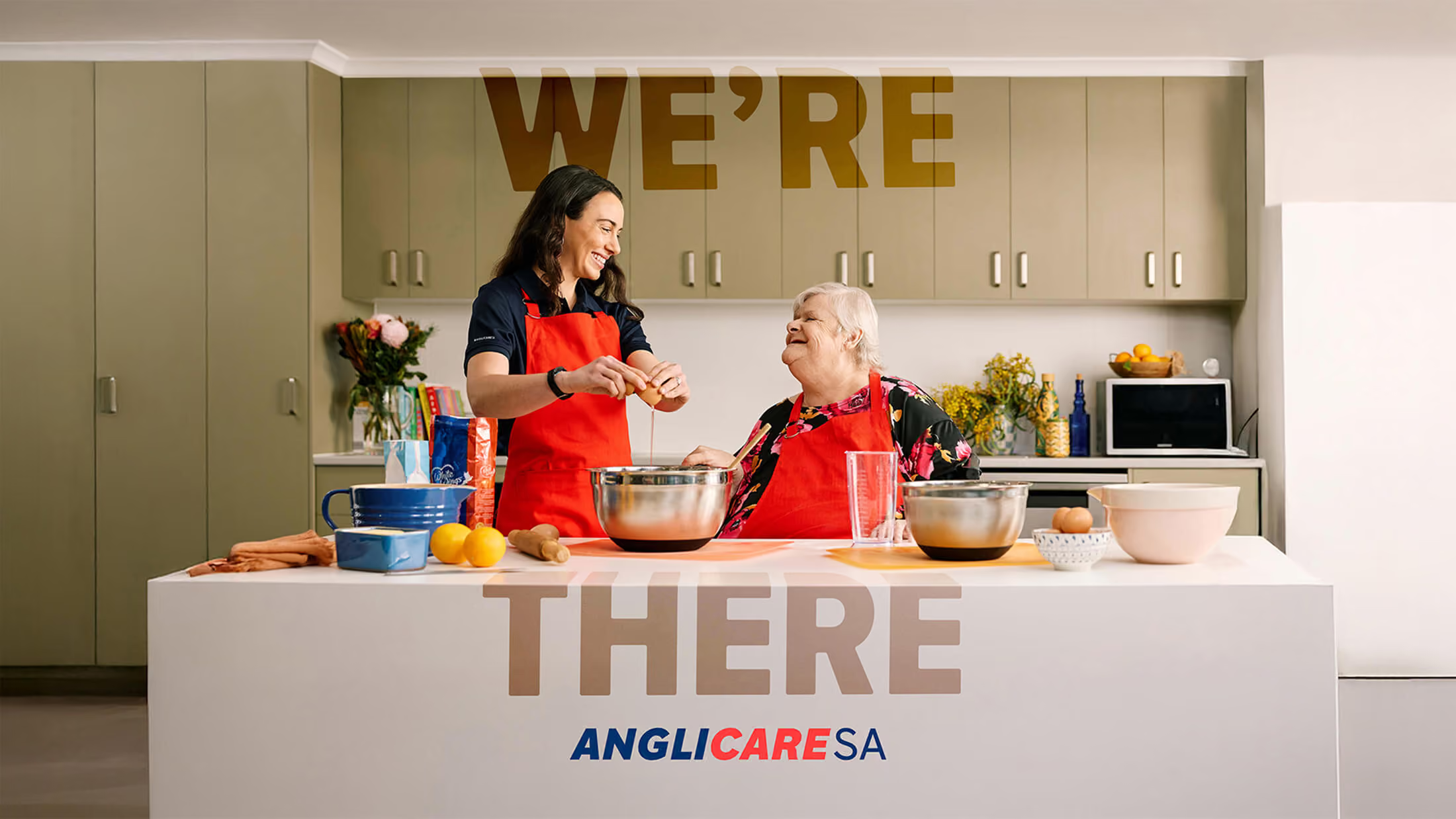
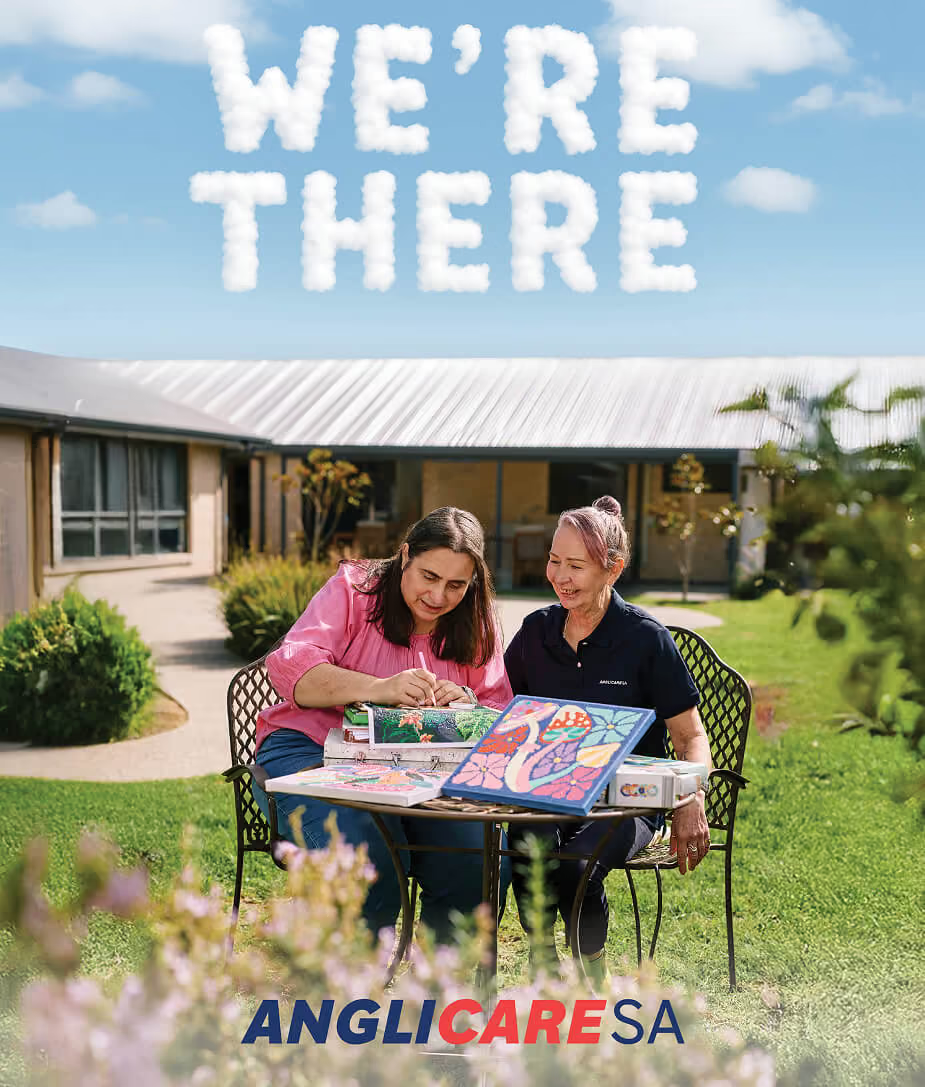
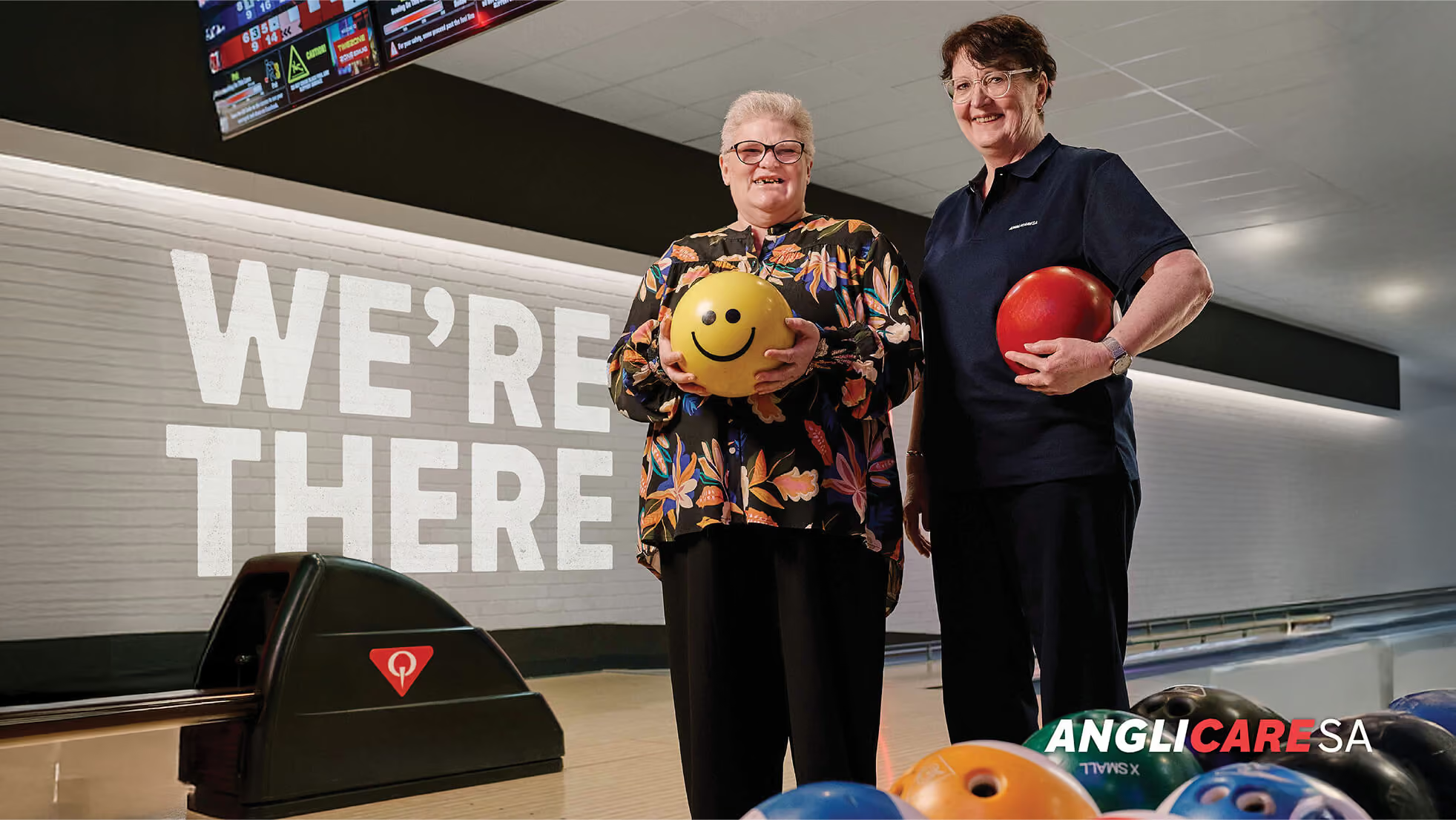
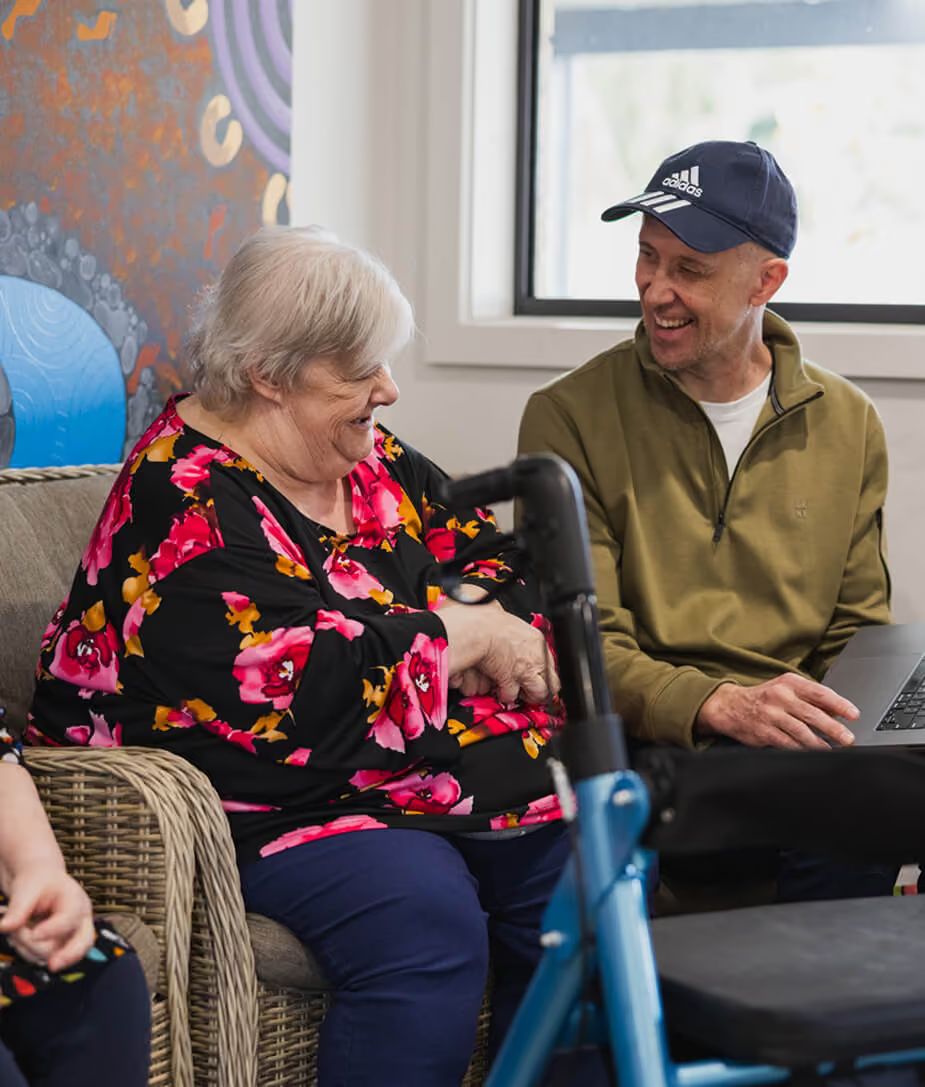
The campaign was built around real moments: cooking, art, bowling, shared activities, time outside and quiet support. These familiar scenes helped show Supported Independent Living not as a service in the abstract, but as daily life with active support and care around it.
To create a consistent visual device, the words We’re There were integrated directly into each scene, appearing naturally within the environment itself. Sometimes on a wall. Sometimes in the sky. This approach gave the campaign a warm, distinctive identity that could flex across photography, video, outdoor, social and digital.
The insight was simple and deeply human: families often want to be there for their loved ones at all times, but they cannot always be. AnglicareSA can. From this insight, we developed the campaign platform We’re There.
The idea gave AnglicareSA a clear and memorable way to communicate the everyday care, presence and support behind Supported Independent Living.
The campaign was built around real moments: cooking, art, bowling, shared activities, time outside and quiet support. These familiar scenes helped show Supported Independent Living not as a service in the abstract, but as daily life with active support and care around it.
To create a consistent visual device, the words We’re There were integrated directly into each scene, appearing naturally within the environment itself. Sometimes on a wall. Sometimes in the sky. This approach gave the campaign a warm, distinctive identity that could flex across photography, video, outdoor, social and digital.
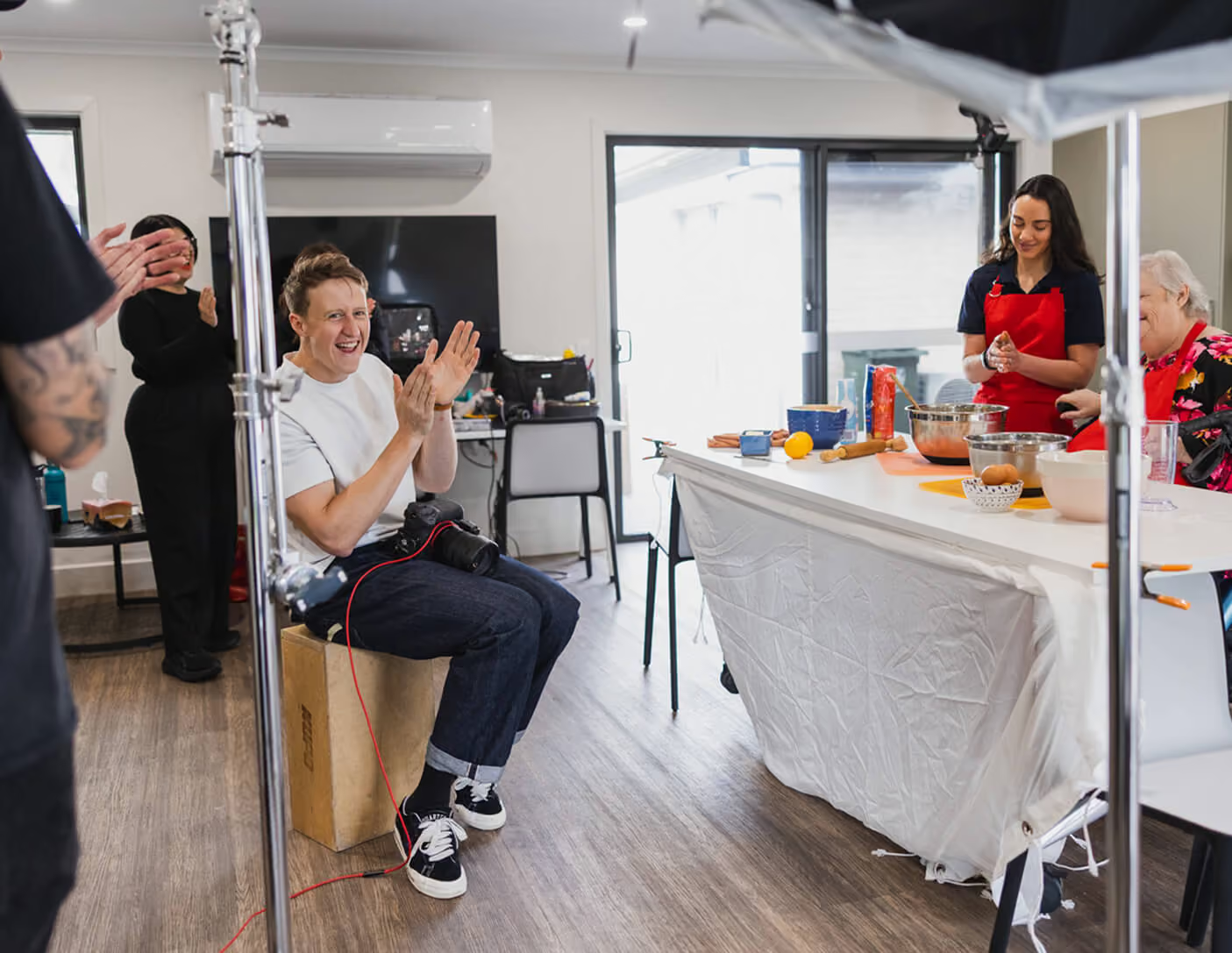
AnglicareSA now has a clear campaign platform to promote Supported Independent Living and communicate the care, connection and independence it offers.
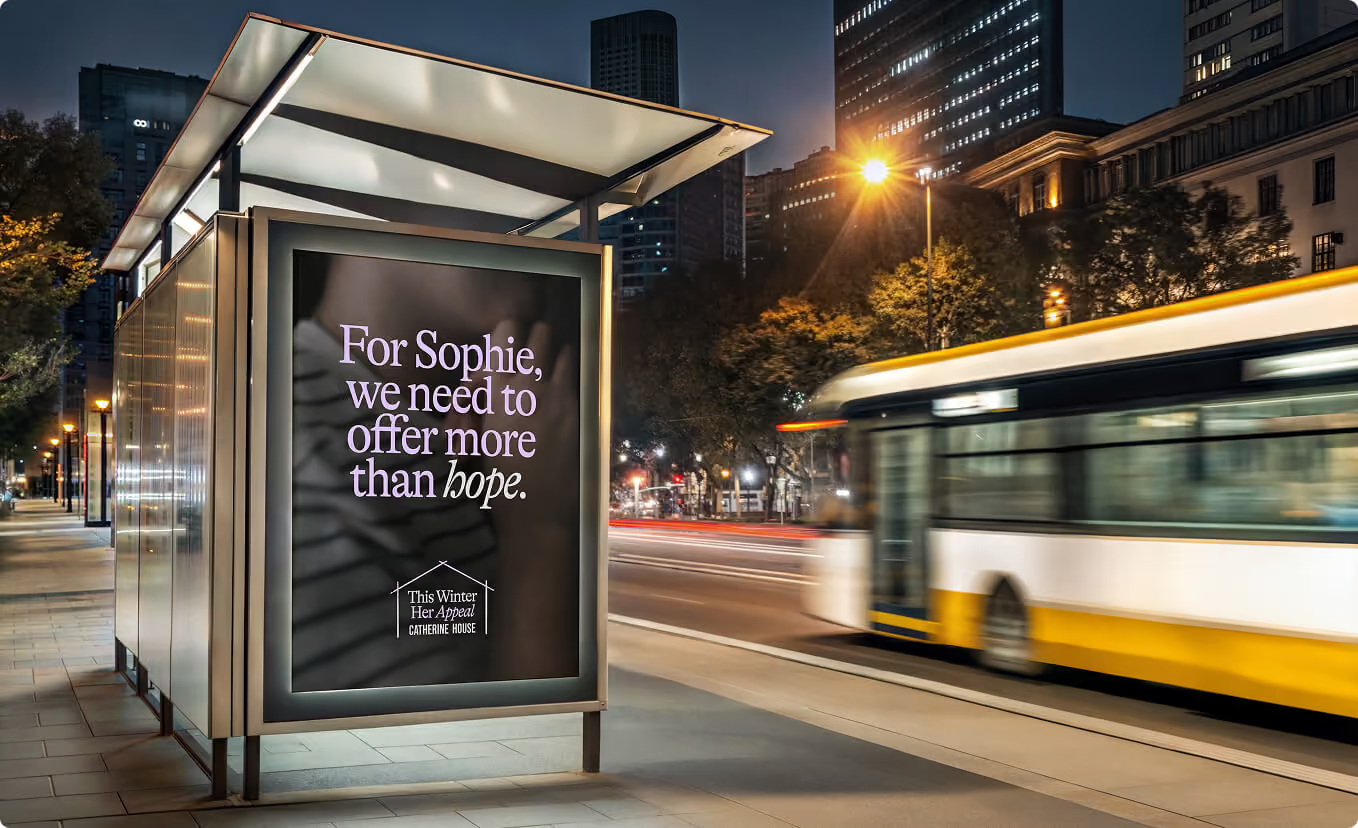
Launching first through photography-led assets for Meta and web, the platform was designed to extend across future video, radio, outdoor and broader campaign activity.
Most importantly, the campaign gives families and support networks a more human way to understand the service. Not just as a vacancy, or a home. But as a place where people are supported to live, participate and belong.
Launching first through photography-led assets for Meta and web, the platform was designed to extend across future video, radio, outdoor and broader campaign activity.
Most importantly, the campaign gives families and support networks a more human way to understand the service. Not just as a vacancy, or a home. But as a place where people are supported to live, participate and belong.