Two Years On Campaign
Open Door Initiative, Flinders University Institute for Mental Health and Wellbeing
Turning lived experience and research into a national conversation on veteran reform
The Challenge
The Royal Commission into Defence and Veteran Suicide was one of Australia’s most significant examinations of the experiences of serving and ex-serving ADF members and their families.
Its Final Report, tabled in September 2024, made 122 recommendations for reform and highlighted systemic issues across leadership and accountability, bullying and harassment, military sexual violence, transition, healthcare, family support and veteran services.
The scale of the issue was confronting, with at least 1,677 serving and ex-serving ADF members dying by suicide between 1997 and 2021. The Commission made clear that veteran suicide could not be understood as a mental health issue alone, but as the result of complex cultural, structural and systemic factors.
For veterans and families who shared their experiences, the Final Report represented an opportunity for meaningful change.
Two years later, the challenge had shifted from identifying the problems to understanding what had been delivered, what remained unresolved and whether reform was improving outcomes.
For Flinders University’s Open Door Initiative, the milestone presented an opportunity to bring these questions back into public conversation, translate complex research for a broader audience and ensure lived experience remained central.
Its Final Report, tabled in September 2024, made 122 recommendations for reform and highlighted systemic issues across leadership and accountability, bullying and harassment, military sexual violence, transition, healthcare, family support and veteran services.
The scale of the issue was confronting, with at least 1,677 serving and ex-serving ADF members dying by suicide between 1997 and 2021. The Commission made clear that veteran suicide could not be understood as a mental health issue alone, but as the result of complex cultural, structural and systemic factors.
For veterans and families who shared their experiences, the Final Report represented an opportunity for meaningful change.
Two years later, the challenge had shifted from identifying the problems to understanding what had been delivered, what remained unresolved and whether reform was improving outcomes.
For Flinders University’s Open Door Initiative, the milestone presented an opportunity to bring these questions back into public conversation, translate complex research for a broader audience and ensure lived experience remained central.
The Solution
Topbunk partnered with Open Door to translate its research into a public-facing campaign capable of engaging audiences well beyond traditional academic outputs.
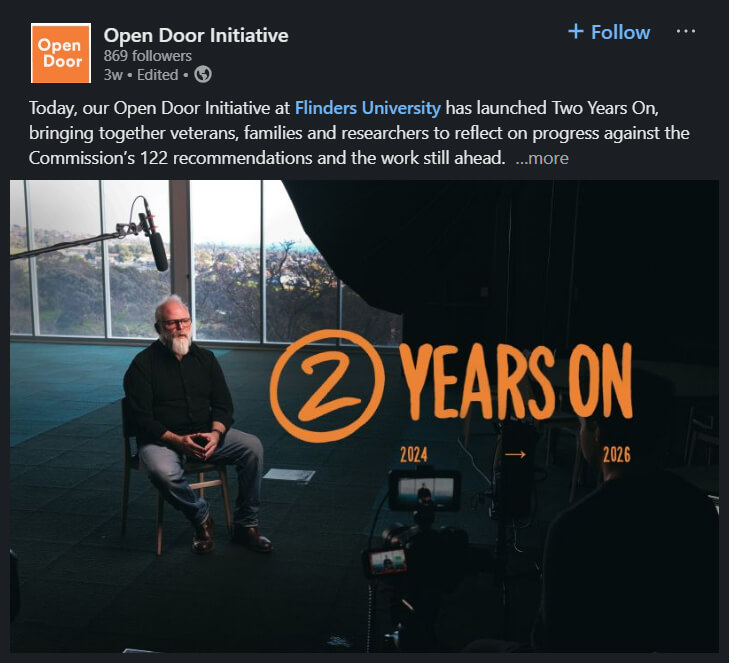
Two Years On transformed complex evidence into lived experience documentary storytelling and a suite of accessible digital content. At its centre was twoyearson.org, bringing together the hero film, participant stories, research insights and a public-facing view of progress against the Royal Commission’s 122 recommendations.
The campaign was also designed to support greater scrutiny and accountability. By clearly distinguishing between announced activity, implemented reform and evidence of real-world outcomes, the platform gave veterans, families, media and the wider public a clearer way to understand progress and ask informed questions about what had actually changed.
Two Years On transformed complex evidence into lived experience documentary storytelling and a suite of accessible digital content. At its centre was twoyearson.org, bringing together the hero film, participant stories, research insights and a public-facing view of progress against the Royal Commission’s 122 recommendations.
The campaign was also designed to support greater scrutiny and accountability. By clearly distinguishing between announced activity, implemented reform and evidence of real-world outcomes, the platform gave veterans, families, media and the wider public a clearer way to understand progress and ask informed questions about what had actually changed.
The Creative Approach
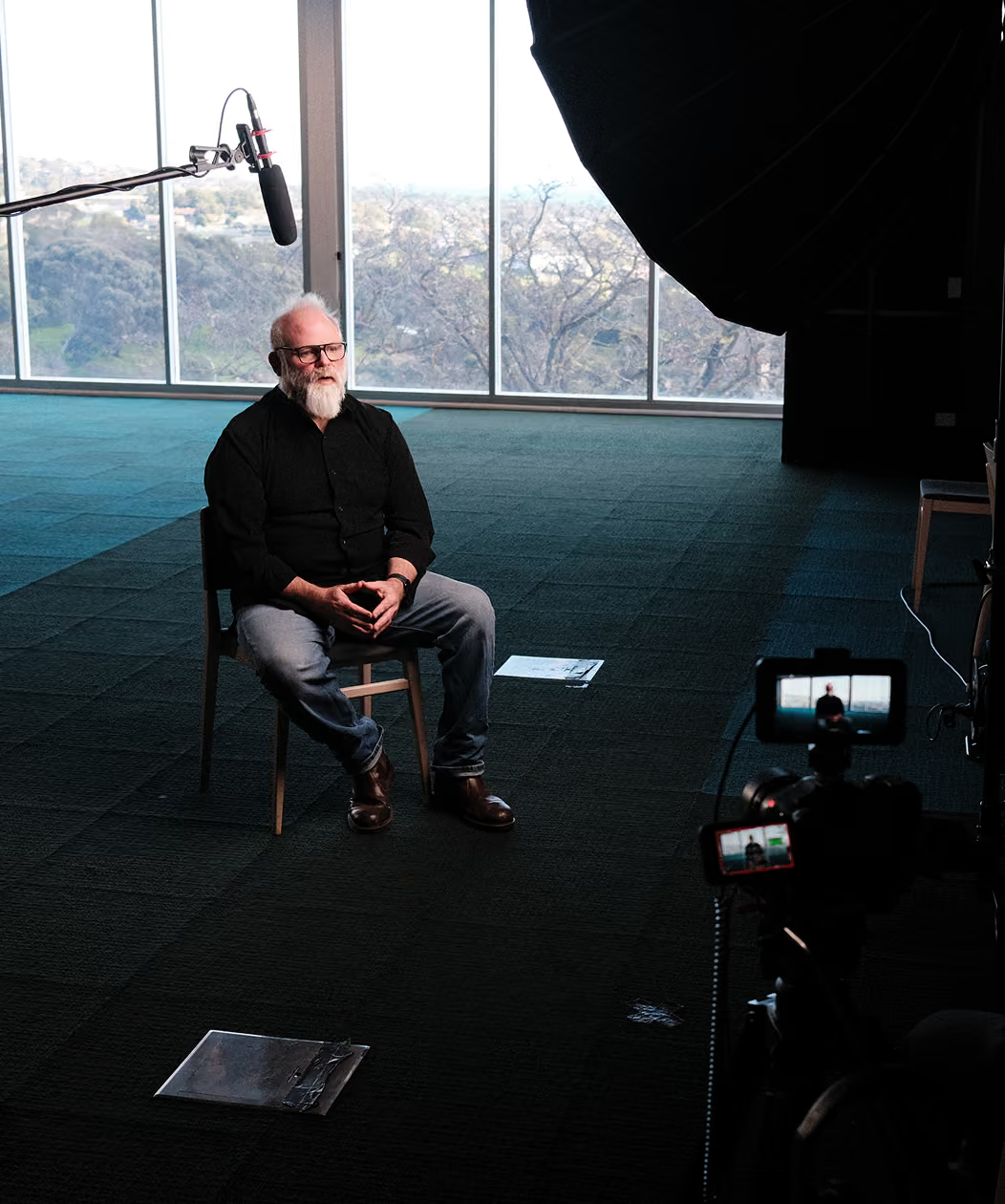
To keep the campaign grounded in lived experience, our team travelled between Adelaide, Melbourne, Brisbane and the Gold Coast, meeting participants where they lived. Filming within their own homes and communities allowed us to document more of their everyday lives and build each story.
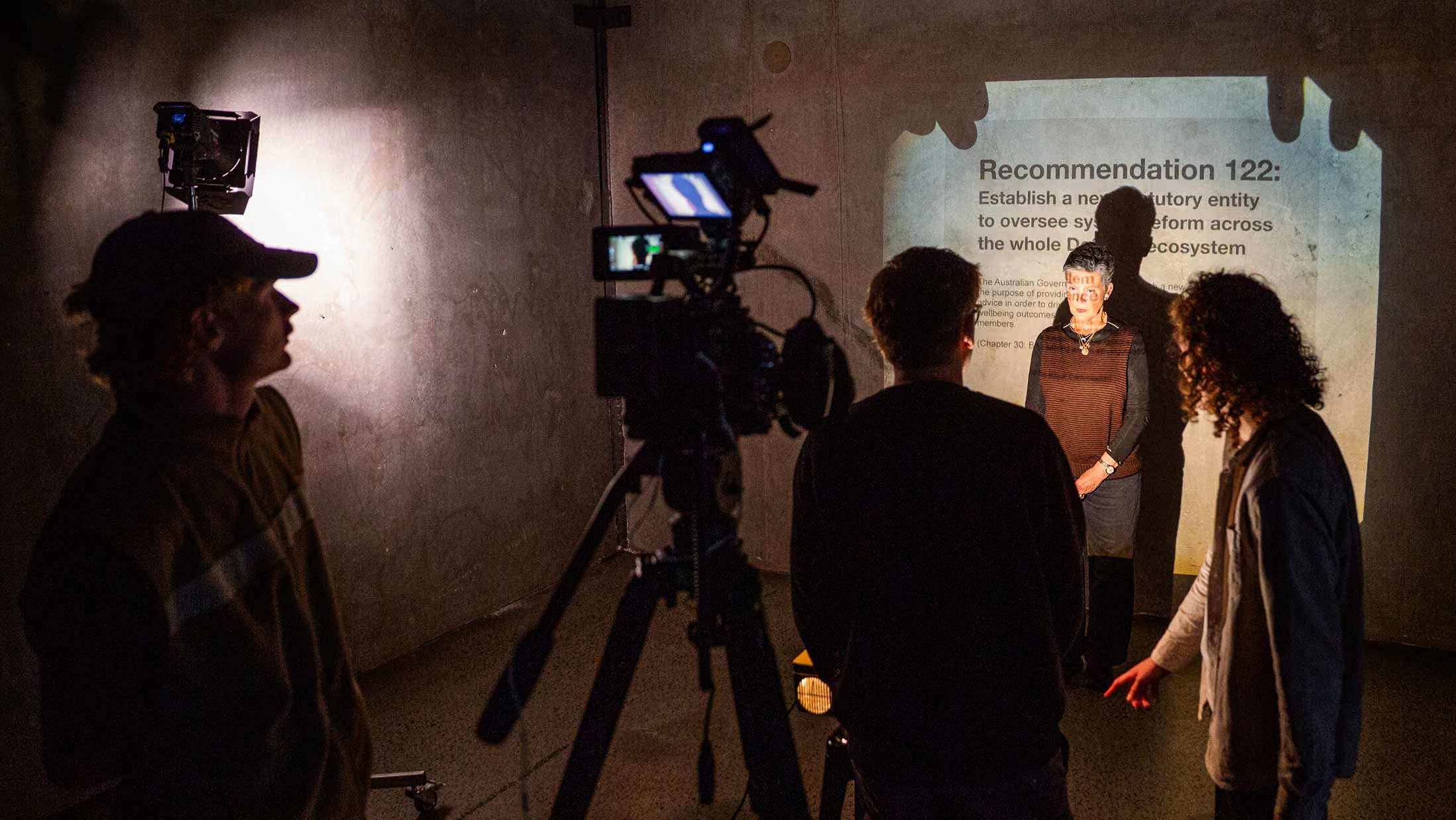
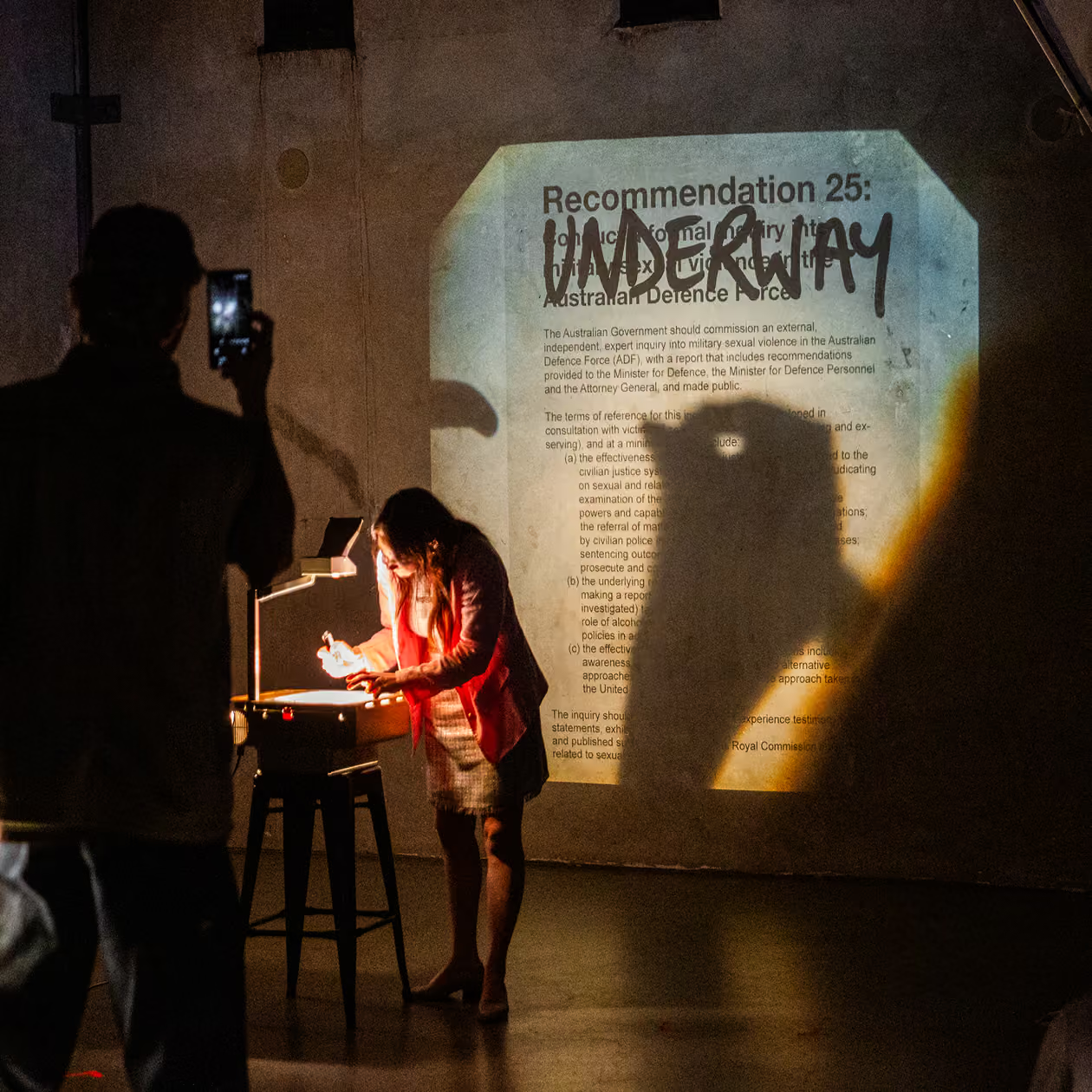
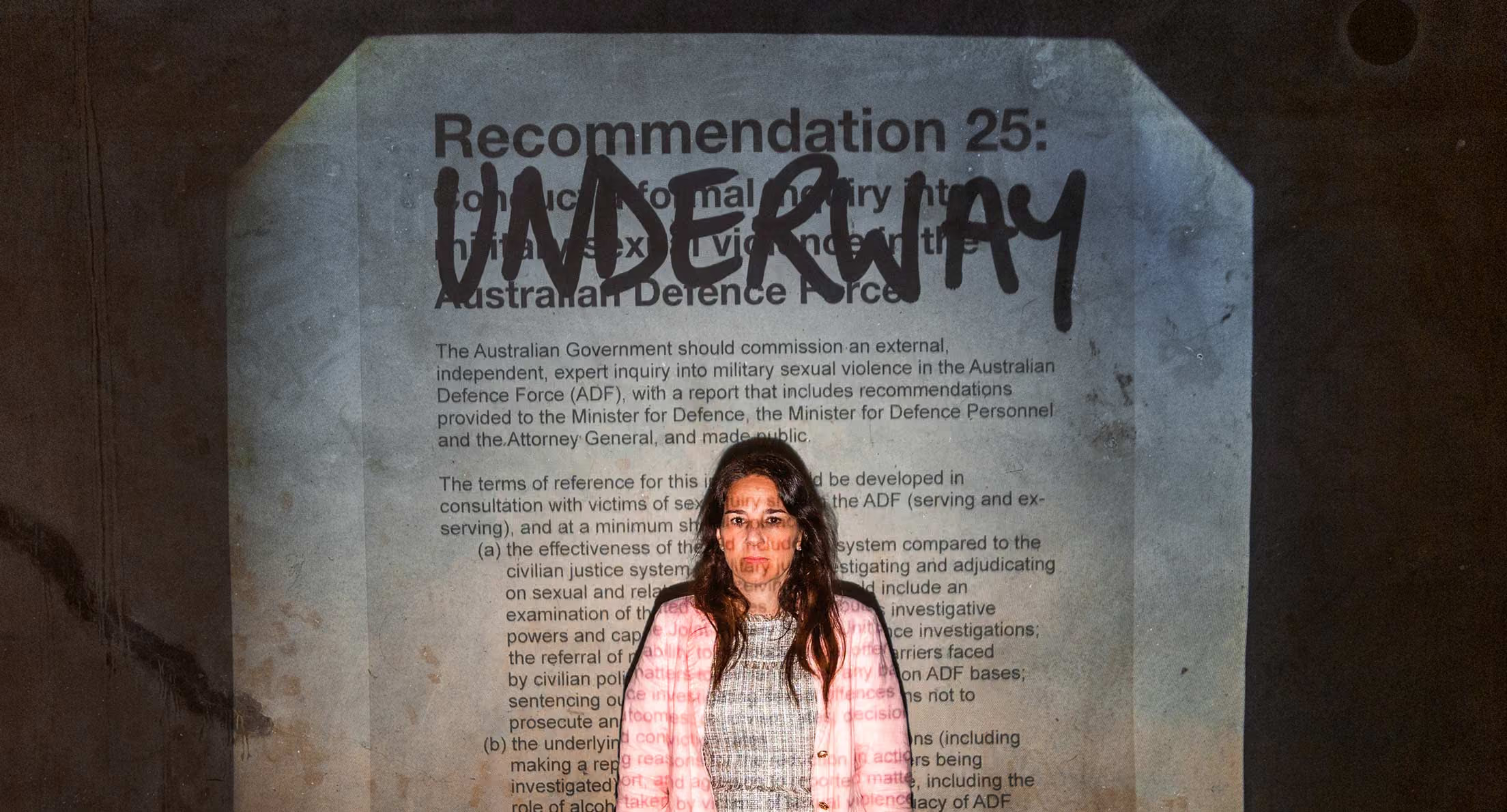
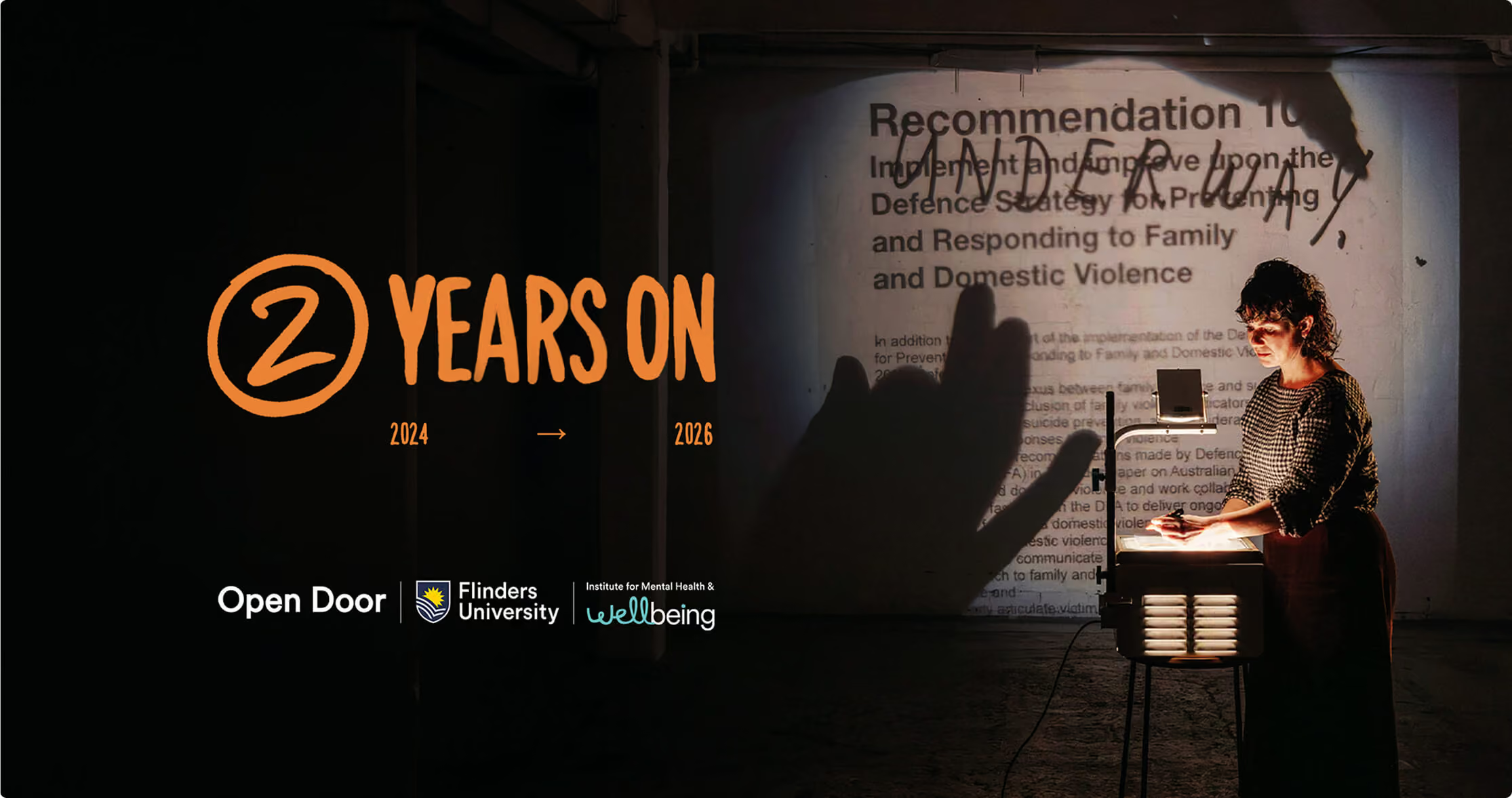
Visually, we chose to connect the highly formal language of the Royal Commission with the human experiences behind it. This was done by projecting individual recommendations onto participants and having tactile interaction with the documentation. Each participant selected recommendations most closely connected to their own story and wrote directly over the projected material, responding to the recommendation and its current status.
This became a recurring visual device throughout the campaign, physically bringing policy, progress and lived experience into the same frame. Combined with observational documentary footage, intimate interviews and dynamic animation, the approach helped make a complex body of recommendations feel personal, tangible and easier for broader audiences to understand.
This became a recurring visual device throughout the campaign, physically bringing policy, progress and lived experience into the same frame. Combined with observational documentary footage, intimate interviews and dynamic animation, the approach helped make a complex body of recommendations feel personal, tangible and easier for broader audiences to understand.
The Outcome
Two Years On reached well beyond Open Door’s existing research and veteran-sector audiences, generating national media attention and direct engagement with key stakeholders.
ABC covered the campaign across national television news, radio and online, taking its research and lived experience perspectives to audiences around Australia. The coverage generated further interview opportunities for Open Door Director Professor Ben Wadham and campaign participant John Armfield, extending discussion around progress, transparency and accountability.
ABC covered the campaign across national television news, radio and online, taking its research and lived experience perspectives to audiences around Australia. The coverage generated further interview opportunities for Open Door Director Professor Ben Wadham and campaign participant John Armfield, extending discussion around progress, transparency and accountability.
The documentary was also screened at the Australian War Memorial, where it was viewed by Department of Veterans’ Affairs staff and the Minister for Veterans’ Affairs, bringing the voices and evidence at the centre of the campaign directly to people connected to the ongoing reform process.
By translating rigorous research into accessible, human storytelling, Two Years On helped Open Door move its work beyond academic audiences and into national media, public conversation and spaces where decisions are made. It demonstrated how research communication can not only increase understanding, but help keep important evidence visible when continued attention matters.
By translating rigorous research into accessible, human storytelling, Two Years On helped Open Door move its work beyond academic audiences and into national media, public conversation and spaces where decisions are made. It demonstrated how research communication can not only increase understanding, but help keep important evidence visible when continued attention matters.